
Accessibility by Design: Why Inclusive Housing and Public Spaces Matter
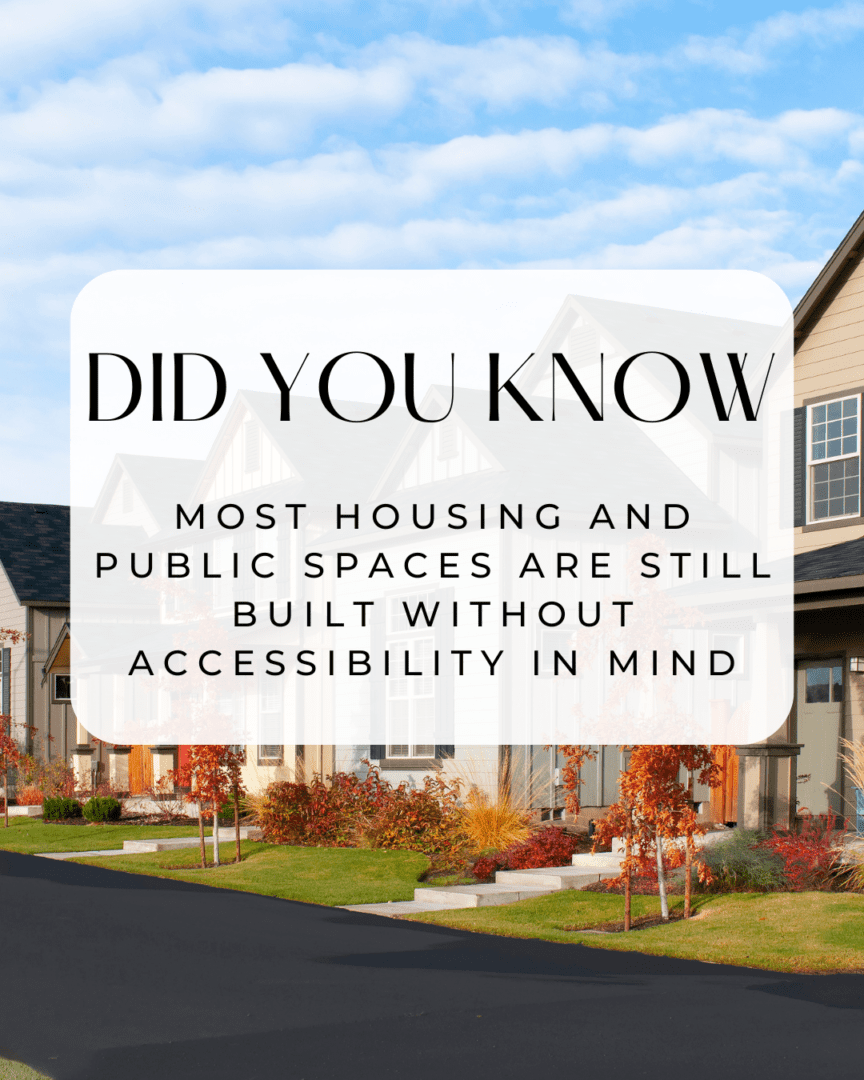
Accessibility isn’t a special feature, an upgrade, or something that should be added after a space is built. True accessibility starts at the design stage, shaping homes, neighborhoods, and public spaces so that everyone can live, move, and participate independently from the very beginning. As communities grow and evolve, the question shouldn’t be who can be accommodated later, but who we are designing for right now.
When people hear the word accessibility, they often picture wheelchair ramps or accessible parking spaces. While those elements are important, accessibility is much broader and more human. Accessible design includes step-free entrances, wide doorways, lever handles instead of knobs, well-lit walkways, clear signage, curb cuts, smooth sidewalks, accessible restrooms, and community spaces that are usable by everyone. It also includes sensory-friendly environments that reduce noise, glare, and visual clutter. These features don’t just support people with disabilities; they benefit parents with strollers, older adults, delivery workers, people recovering from injuries, and anyone whose mobility or sensory needs may change over time.
Housing is the foundation of independence. When homes are inaccessible, people with disabilities are often forced into limited, costly, or segregated living options, not because they lack ability, but because the environment lacks inclusion. Accessible housing allows people to live safely and independently, age in place without unnecessary relocation, welcome friends, family, and caregivers into their homes, and fully participate in their communities. When housing is designed with accessibility in mind, it creates stability, dignity, and choice…all essential to independent living.
Public spaces also play a powerful role in shaping belonging. They send a clear message about who is welcome and who is not. When sidewalks are broken, entrances are blocked, restrooms are inaccessible, or signage is unclear, people with disabilities are quietly excluded from daily life. That exclusion limits access to employment, education, healthcare, recreation, and community connection. Accessible public spaces encourage economic participation, strengthen local businesses, foster social connection, and create safer, more welcoming neighborhoods. When everyone can access public spaces, communities thrive.
Accessibility is not only a policy issue, it is a community value. Designing spaces that work for everyone reduces barriers before they exist, prevents isolation, and removes unnecessary hardship. It reflects a belief that everyone deserves to belong. Inclusion doesn’t happen by accident; it happens by design.
As we look toward the future, we have both an opportunity and a responsibility to build communities where accessibility is the starting point rather than an afterthought. When accessibility is built in, independence, opportunity, and connection grow not just for individuals, but for families, neighborhoods, and generations to come.