
Normalizing Accessibility
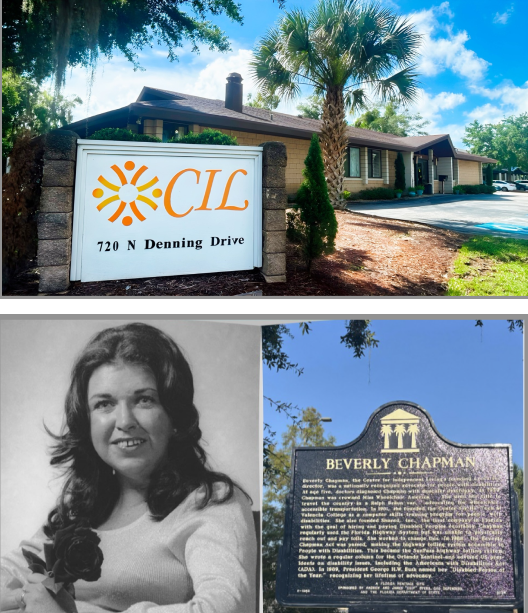
At the Center for Independent Living, we believe that accessibility should never be an afterthought. Accessibility built into the systems we live in from the start creates more inclusive communities, strengthens communication, and ensures that everyone has an equal opportunity to participate and thrive. When accessibility is treated as optional, people are forced to request accommodations or pay large sums for assistive technology and services that are not always guaranteed. This automatically places individuals with disabilities at a disadvantage, creating barriers that limit opportunity and, ultimately, infringe on their rights.
When we look specifically at the Deaf and hard-of-hearing community, these barriers become even more visible in everyday communication. Many individuals are capable of expressing themselves through American Sign Language (ASL), text-to-speech, or other communication methods. However, because these methods are not prioritized or normalized, they are often excluded by default. This can lead to an individual’s intelligence being underestimated or their voice not being taken seriously, simply due to how they communicate. That exclusion is a direct limitation on their right to express themselves in the way that feels most natural.
Accessibility should not be something people have to request. There is a difference between requesting an accommodation and being offered one as a standard part of participation. For example, when a Deaf or hard-of-hearing student applies to a college, they should not have to go through a separate process to request an ASL interpreter or captioning device and wait for those needs to be met. Instead, institutions should ask all students during their application process what services and resources they may need right from the beginning. This approach removes pressure from the individual and creates a more inclusive environment in which no one feels singled out for having a trait they cannot control.
Building accessibility into everyday life is one of the most effective ways to build a more equal and inclusive world. This can include incorporating assistive technology into homes regardless of who lives there, or normalizing ASL into the school curriculum. These changes not only help
to benefit individuals with disabilities but also help in a variety of unique situations or conditions in which verbal speech may be unavailable.
Ultimately, our goal at the Center for Independent Living is to create a world where people are not defined or limited by their disabilities. When environments are designed with accessibility in mind from the beginning, individuals can move through life without constantly needing to advocate for basic access. Accessibility standards drive equity and inclusion by ensuring equal access to information, opportunities, and participation. By supporting the Center for Independent Living and sharing our mission, you help move us closer to a future where accessibility is not an exception, but a norm, where everyone has the opportunity to be seen, heard, and valued.