
Top 5 DIY Accessibility Tips for Safer Living
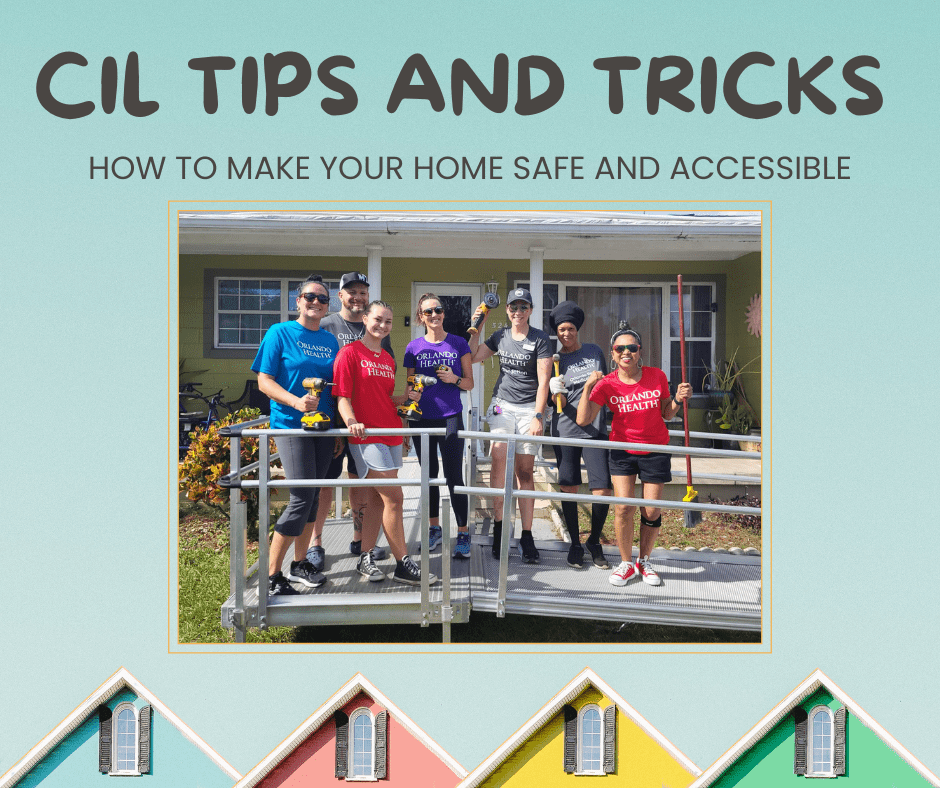
Creating an accessible home isn’t just about installing expensive equipment, it’s about making simple adjustments that improve safety, comfort, and independence. Whether you or a loved one face physical, sensory, or cognitive challenges, there are several DIY modifications you can make to enhance accessibility in your living space.
In this blog, we’ll cover the top five DIY accessibility tips that anyone can implement to create a safer, more inclusive environment at home.
- Clear Pathways for Easy Navigation
One of the simplest and most effective ways to improve accessibility in your home is by ensuring clear pathways throughout the living spaces. Obstacles like furniture, clutter, or poorly placed items can create tripping hazards, especially for individuals with mobility challenges.
How to Make it Safer:
- Declutter regularly: Keep floors, hallways, and entrances free from obstacles.
- Create wide, unobstructed paths: Aim for at least 36 inches of space to allow wheelchairs or walkers to pass through.
- Secure cords and rugs: Use cord management solutions and rug pads to prevent trips. If necessary, remove rugs that could be easily displaced.
A clear, organized environment allows for smooth and safe movement, which can prevent accidents and make navigating your home much easier.
2. Install Grab Bars in Key Areas
Grab bars are essential safety features that can be installed in bathrooms, hallways, or near stairs to provide extra stability and support for individuals who need assistance with balance, such as seniors or those recovering from injuries.
Safety Note: Suction cup grab bars can be dangerous because they may lose their grip over time. For the best protection, always choose securely mounted grab bars installed by a knowledgeable professional.
How to Make it Safer:
Bathroom: Install grab bars around the toilet, in the shower, and near the bathtub. Position them so they’re easy to reach whether sitting or standing.
Stairways and Hallways: Add grab bars along staircases or in hallways for added stability when moving from one area to another.
These simple, professionally installed additions are cost-effective and can significantly reduce the risk of falls, providing greater safety and peace of mind in daily activities.
3. Use Non-Slip Mats and Flooring
Floors can be a hidden danger, especially in high-traffic areas or bathrooms. Slippery floors increase the risk of falls, particularly for individuals with balance issues or those who use mobility aids. A quick and easy fix is to add non-slip mats or rugs to key areas of the home.
How to Make it Safer:
- Bathrooms and Kitchens: Place non-slip mats or rugs on the floor, especially near sinks, bathtubs, and stoves.
- Stairs and Hallways: Apply non-slip strips or treads to stairs and along the edges of hallways for extra traction.
By reducing the chance of slipping, non-slip mats and flooring make a significant difference in improving home safety and accessibility.
4. Adjust Lighting for Better Visibility
Proper lighting is one of the most overlooked aspects of home accessibility. Poor lighting can contribute to falls, difficulty reading, or disorientation, especially for individuals with low vision or cognitive challenges. Adjusting your lighting setup can make a huge difference in both safety and comfort.
How to Make it Safer:
- Increase lighting in high-traffic areas: Ensure rooms like hallways, stairs, and bathrooms are well-lit.
- Motion-activated lights: Install motion-sensing lights in areas like hallways, closets, or bathrooms. These lights automatically turn on when movement is detected, preventing the need to fumble for light switches.
- Task lighting: Use lamps with adjustable brightness for areas where more focused light is necessary, such as desks, countertops, or reading areas.
Better visibility helps individuals avoid accidents and makes everyday tasks easier to complete independently.
5. Organize and Label for Easy Access
Cognitive or sensory impairments often make it difficult to locate items or remember where things are placed. Simple organization strategies and labels can significantly improve daily living and reduce confusion.
How to Make it Safer:
- Organize items by category: Keep like items together in clearly labeled drawers or shelves (e.g., kitchen utensils, medications, or cleaning supplies).
- Use large, readable labels: For those with low vision or memory issues, label shelves, drawers, and storage boxes with large, bold text. Consider using pictures or color codes for easier recognition.
- Accessible kitchen and bathroom organization: Store frequently used items at eye level or in easy-to-reach locations to reduce bending, stretching, or climbing.
An organized, well-labeled space ensures that everything is easy to find and access, reducing frustration and making the home environment more manageable for everyone.
Creating an accessible living space doesn’t always require major renovations or expensive solutions. Simple DIY projects, like clearing pathways, installing grab bars, improving lighting, and organizing spaces, can make your home safer and more comfortable.
By incorporating these tips, you’ll not only enhance safety and independence but also create an environment that welcomes everyone, regardless of ability. Accessibility is an ongoing process, and each step you take toward a more inclusive space will have a meaningful impact.
Start with small changes today and see how simple modifications can transform your living space into one that truly works for everyone.