
Why Early Transition Support Matters for Youth with Disabilities
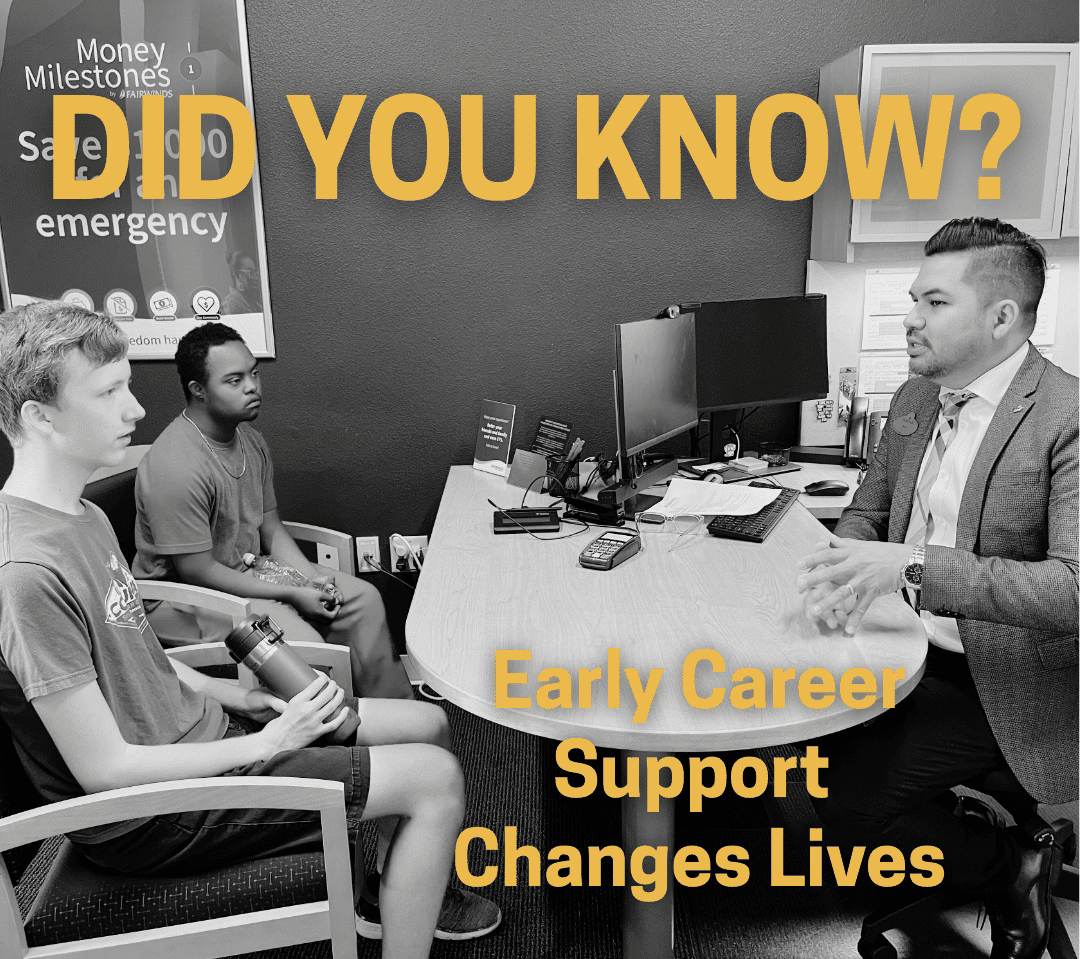
For many young people, the path from school to adulthood is filled with guidance, career counseling, job exploration, life skills training, and support systems that help them navigate what comes next. For youth with disabilities, however, that path is often unclear, under-resourced, or delayed until it’s too late.
Early transition support changes that narrative.
At Center for Independent Living in Central Florida (CIL), we believe that preparing for adulthood should begin well before graduation day. When young people with disabilities receive intentional, early support, they gain more than skills, they gain confidence, independence, and real opportunity.
Early transition support focuses on helping students with disabilities prepare for life after high school academically, professionally, and personally. Rather than waiting until senior year, transition planning can begin as early as middle school, giving students time to explore interests, identify strengths, and build essential life skills.
This support may include:
- Career exploration and goal setting
- Self-advocacy and decision-making skills
- Workplace readiness and soft skills training
- Independent living and community navigation
When introduced early, these tools empower youth to actively shape their futures instead of reacting to limited options later.
Research and lived experience consistently show that students with disabilities who receive early transition and employment support are far more likely to obtain meaningful employment and live independently after graduation. Early support allows youth to:
- Build confidence in their abilities
- Understand their rights and accommodations
- Develop communication and problem-solving skills
- Gain exposure to real-world work environments
Without early transition services, many young people leave school unprepared—despite having the talent and potential to succeed.
Before a resume or job interview ever happens, young people must believe in themselves. Early transition programs help youth recognize their strengths, learn to advocate for their needs, and feel empowered to make choices about their own lives.
This confidence is critical, not just for employment, but for:
- Continuing education
- Independent living
- Healthy relationships
- Community involvement
When youth feel capable and supported, they are more likely to take risks, pursue goals, and envision a future that includes independence and fulfillment.
Early transition support doesn’t just benefit individuals, it strengthens entire communities. Employers gain access to prepared, motivated workers. Families feel supported instead of overwhelmed. Communities become more inclusive, innovative, and resilient.
By investing early, we reduce long-term unemployment, underemployment, and reliance on crisis-based services creating outcomes that are both human-centered and economically sound.
CIL’s youth transition and employment readiness programs are designed to meet young people where they are and grow with them over time. Through guided exploration, skill-building, and real-world preparation, we help youth move from uncertainty to confidence and from potential to opportunity.
The earlier we start, the stronger the future becomes.